


First Aid in the Workplace: Are You Meeting SafeWork NSW Guidelines?

Updated: Apr 27

For business owners and managers across Central West NSW, workplace safety is more than just a box-ticking exercise—it’s a commitment to your team’s well-being. Whether you are running a vineyard in Mudgee, a manufacturing plant in Lithgow, or a retail hub in Orange, understanding your First Aid obligations is critical.
Under the Work Health and Safety Regulation 2017, SafeWork NSW requires all employers to provide adequate first aid equipment, facilities, and trained personnel. But what does "adequate" actually mean for your specific site?
1. Assessing Your Workplace Risks
SafeWork guidelines emphasize that first aid requirements aren't one-size-fits-all. A mechanic in Bathurst faces different risks than a farm hand in Blayney or a hospitality worker in Oberon. To stay compliant, you must consider:
The nature of the work: Are you dealing with heavy machinery, chemicals, or electrical risks?
Workplace hazards: You need to identify potential injuries, from minor burns to cardiac arrest or severe trauma.
Size and layout: Is your team spread across a large warehouse or a multi-story office?
Remote locations: If your team is working in remote areas outside of major town centers, your first aid response must be more robust.
2. Trained First Aiders: How Many Do You Need?
The SafeWork NSW Code of Practice provides a general guide for the number of trained first aiders required on-site:
Low-risk workplaces: (e.g., offices or retail) 1 first aider for every 50 workers.
High-risk workplaces: (e.g., construction, manufacturing, or mining) 1 first aider for every 25 workers.
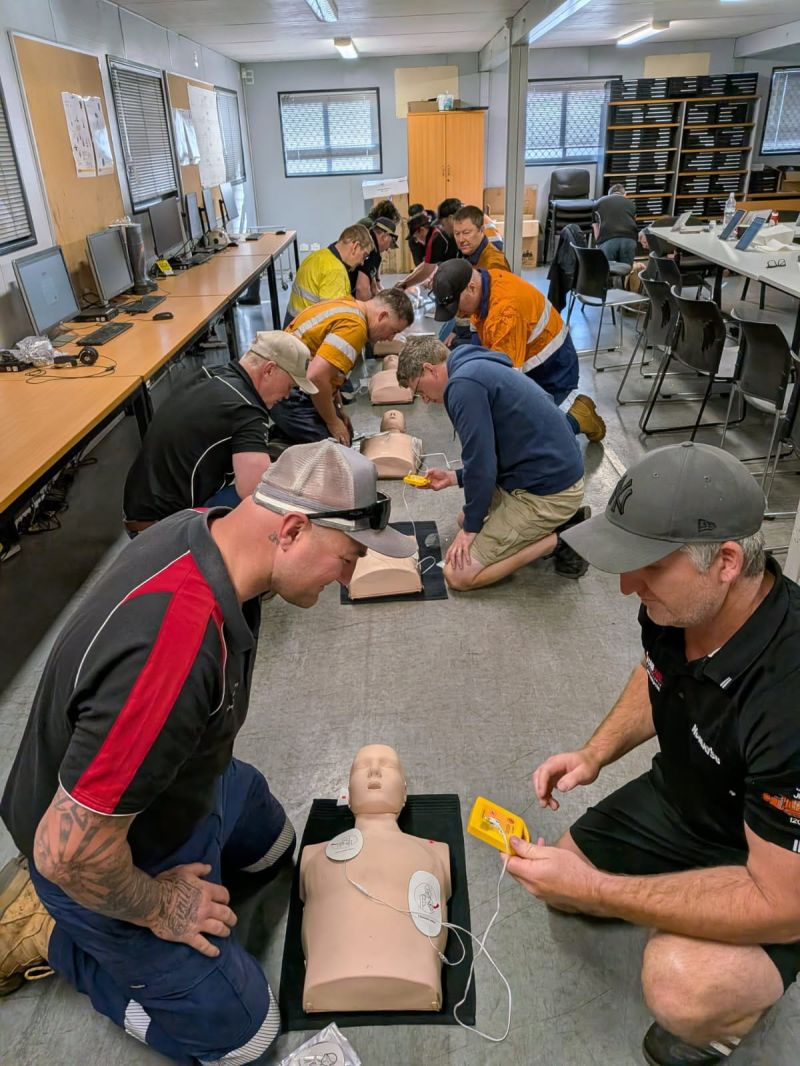
It is vital that your designated staff hold a current HLTAID011 Provide First Aid certification. For businesses in the Central West, ensuring your team’s qualifications are up to date is the best way to stay compliant and ready to act in an emergency.
Pro Tip: Don't forget that CPR certifications (HLTAID009) should be refreshed annually, while full First Aid certificates are typically valid for three years.
3. First Aid Kits and Equipment
Your first aid kits must be easily accessible and stocked with items appropriate for your specific risks. In regional areas like Mudgee or Lithgow, where emergency services may have longer transit times, having a well-maintained kit—and potentially an Automated External Defibrillator (AED)—can make a life-saving difference.
4. Why Local Expertise Matters
At Central West First Aid Training, we specialize in helping local businesses meet these guidelines. We don't just provide "off-the-shelf" training; we bring real-world Paramedic experience to every session.
From Orange and Bathurst to Blayney and Oberon, we ensure your team isn't just compliant on paper, but genuinely confident to provide life-saving care under pressure.
Conclusion: Is Your Business Ready?
If an incident happened today at your workplace, would your team know what to do? If you’re unsure whether you’re meeting the SafeWork NSW Code of Practice, now is the time to audit your kits and refresh your training.
Ready to get your team certified? Contact us today to discuss site-specific training for your business.


Comments